World · NBC 60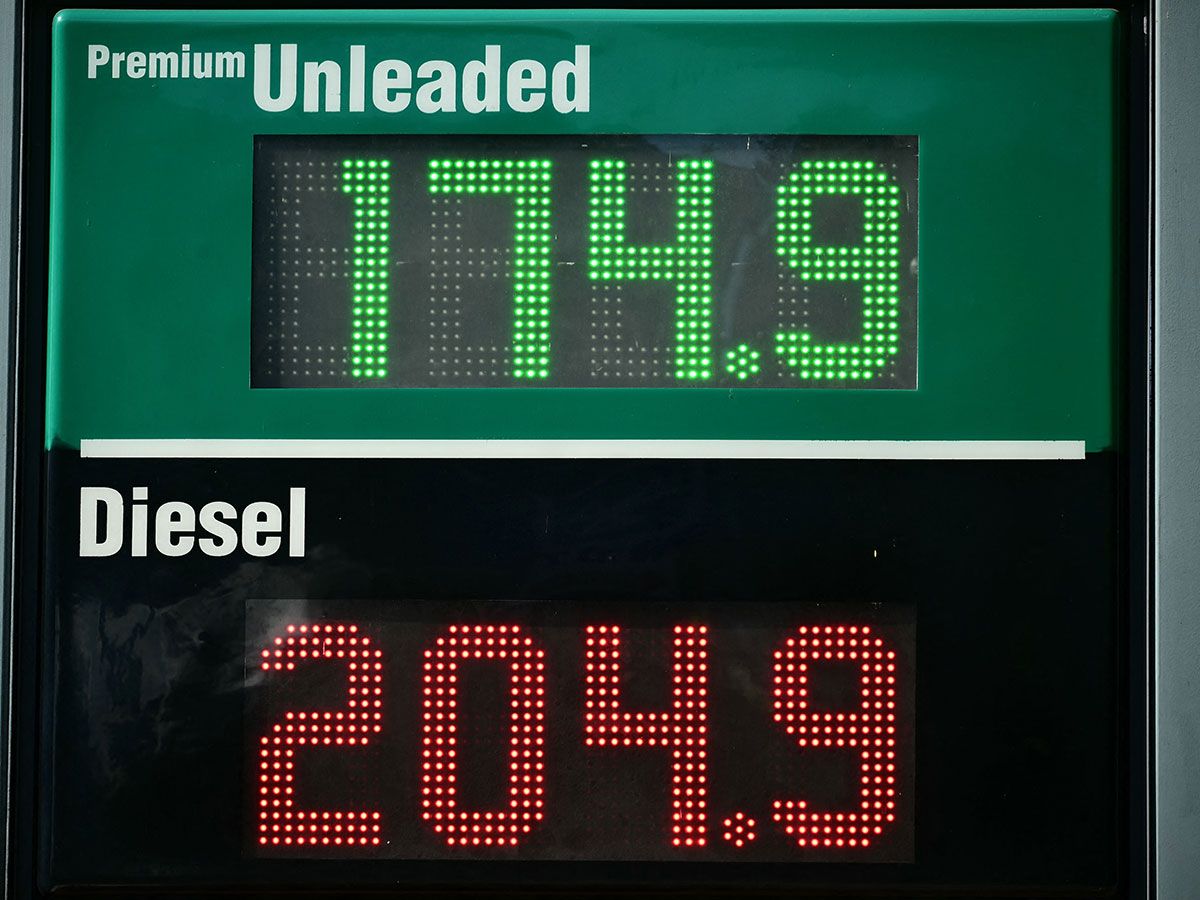
Skip to Content News Archives Economy Energy Oil & Gas Renewables Electric Vehicles Mining Commodities Agriculture Real Estate Mortgages Mortgage Rates Finance Banking Insurance Fintech Cryptocurrency Work Wealth Smart Money Wealth Management Investor Personal Finance Family Finance Retirement Taxes High Net Worth FP Comment Executive Women Puzzmo Newsletters Financial Times Business Essentials More Innovation Information Technology FP500 Podcasts Small Business Lives Told Tails Told Shopping Financial Post Store Obituaries Place a Notice Advertising Advertising With Us Advertising Solutions Postmedia Ad Manager Sponsorship Requests Classifieds Place a Classifieds ad Working Profile Settings My Subscriptions My Offers Newsletters Customer Service FAQ News Economy Energy Mining Real Estate Finance Work Wealth Investor FP Comment Executive Women Puzzmo Newsletters Financial Times Business Essentials Home Energy Oil & Gas Canada and other G7 nations agree to release 100 million barrels of oil and diesel to curb price spikes Pledge comes after U.S. President Donald Trump threatened to ban diesel exports Last updated 4 hours ago G7 nations agreed Friday to release 100 million barrels of oil and diesel to curb rising prices. Photo by Ben STANSALL / AFP via Getty Images Canada and its G7 allies agreed on Friday to release diesel and crude oil into the market as energy prices continue to climb during the Iran war.
Subscribe now to read the latest news in your city and across Canada. Exclusive articles from Barbara Shecter, Joe O'Connor, Gabriel Friedman, and others. Daily content from Financial Times, the world's leading global business publication.
Unlimited online access to read articles from Financial Post, National Post and 15 news sites across Canada with one account. National Post ePaper, an electronic replica of the print edition to view on any device, share and comment on. Daily puzzles, including the New York Times Crossword.
Subscribe now to read the latest news in your city and across Canada. Exclusive articles from Barbara Shecter, Joe O'Connor, Gabriel Friedman and others. Daily content from Financial Times, the world's leading global business publication.
Unlimited online access to read articles from Financial Post, National Post and 15 news sites across Canada with one account. National Post ePaper, an electronic replica of the print edition to view on any device, share and comment on. Daily puzzles, including the New York Times Crossword.
Create an account or sign in to continue with your reading experience. Access articles from across Canada with one account. Share your thoughts and join the conversation in the comments.
Enjoy additional articles per month. Get email updates from your favourite authors. Create an account or sign in to continue with your reading experience.
Access articles from across Canada with one account Share your thoughts and join the conversation in the comments Enjoy additional articles per month Get email updates from your favourite authors Sign In or Create an Account or In a joint statement on Friday afternoon, the G7 nations — the United States, Canada, France, Italy, Germany, Britain and Japan — said they will release 100 million barrels from their stockpiles over the next four months, which will be coordinated by the International Energy Agency. The G7 nations also said they will make a “substantial diesel release” within 20 days and officials will convene in the coming week to discuss whether additional diesel releases will be necessary. Get the latest headlines, breaking news and columns.
By signing up you consent to receive the above newsletter from Postmedia Network Inc. A welcome email is on its way. If you don't see it, please check your junk folder.
The next issue of Top Stories will soon be in your inbox. We encountered an issue signing you up. Please try again However, the statement did not specify how much of the release will be diesel and how much will be crude oil.
A September 2026 market report by the IEA suggests diesel accounts for around 30 per cent of global oil demand, and supplies have been severely impacted due to military strikes on oil refinery infrastructure in the Middle East and Russia. “Facing unprecedented volatility in oil markets — with surging prices threatening economic stability and the well-being of our citizens — we have agreed on decisive, coordinated measures to stabilize immediate energy supplies, shield households and businesses from price shocks, and strengthen the long-term resilience of global energy systems,” Friday’s statement read. The decision comes as retail diesel prices climbed to record highs in Canada of up to $2.75 per litre, which triggered truckers protests across the country.
Gas prices also remain elevated and averaged around $1.72 per litre at the pumps, according to data from CAA. U.S. President Donald Trump has previously threatened to impose a ban on U.S. diesel exports, a move that analysts say would accelerate stock drawdowns across global markets and increase competition in a market that is already experiencing tight supplies.
David Oxley, chief climate and commodities economist at Capital Economics, previously said that the economic shock would be comparable to the natural gas crisis in Europe in 2022. “We condemn Iran’s continued attacks against its regional neighbours and its disruption of international trade, energy security and the global economy. We call for the immediate and full restoration of navigational rights and principles in the Strait of Hormuz and express our determination to redouble our collective efforts to that end,” Friday’s joint statement read.
Join the Conversation This website uses cookies to personalize your content (including ads), and allows us to analyze our traffic. Read more about cookies here . By continuing to use our site, you agree to our Terms of Use and Privacy Policy .
Source: Financial Post