World · NBC 60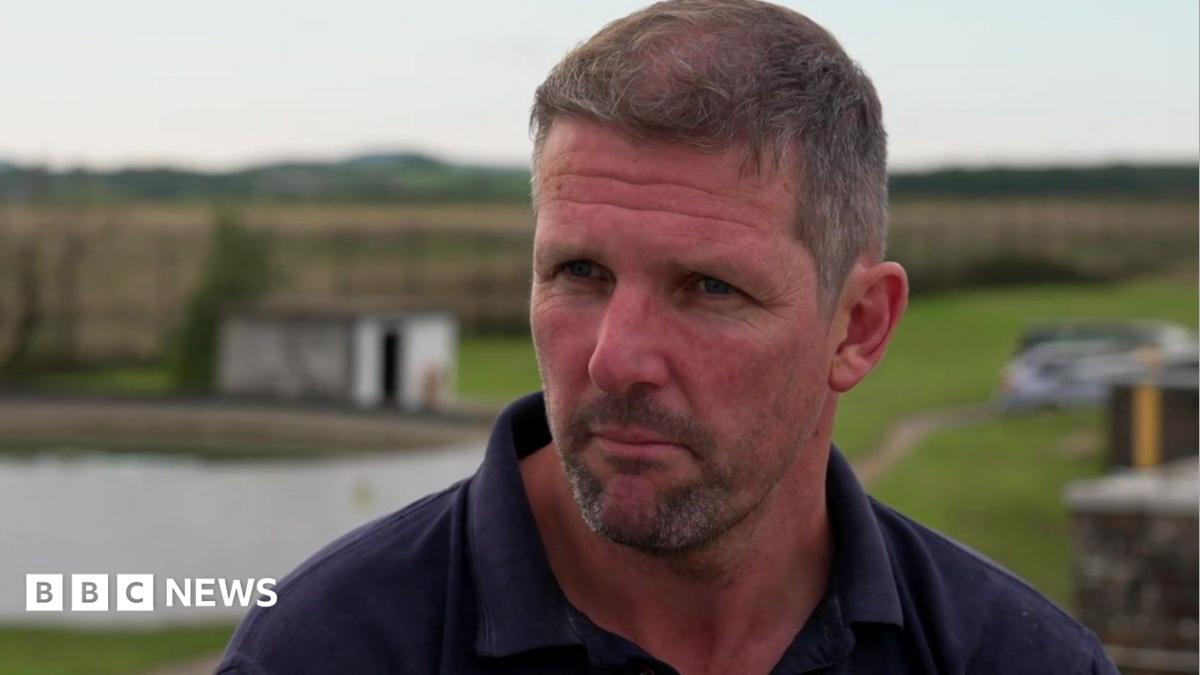
Bluetongue outbreak 'really distressing for farmers' Image caption, Vet Tom Clark is becoming increasingly worried by the situation By Tiffany Rowlands Hampshire political reporter "It's been extremely emotionally and financially difficult for a lot of farmers," said Tom Clark. The Dorset-based vet is becoming increasingly worried about an ongoing outbreak of bluetongue in the county. Fifty cases have already been confirmed in Dorset, with Oxfordshire and Isle of Wight also joining the government list of affected areas in recent days .
Tim Gelfs, who has farmed in Dorset for the past 20 years, told the BBC that his "biggest" concern was the long-term impact of the outbreak on the fertility of livestock. Bluetongue has been found in more than 2,000 farm animals in the UK since July, with nearly 1,200 potential cases still under investigation. The virus, which causes fever and lameness, does not affect humans and is spread by midges rather than direct contact between animals.
Image caption, Bluetongue has been found in more than 2,000 farm animals in the UK since July Clark said the recent outbreak had been "really distressing for farmers". "Although there has been a vaccine available not everybody took up the vaccine so there's been a lot of unvaccinated animals," he explained. "There's nothing you can do to halt the virus once they've got it, you've just got to nurse the animals - but not all of them will make it." Gelfs, from Westleaze Farm in Beaminster, said his farm had experienced one case "just over a month ago" in a young stock bull.
"We brought him in, treated him, got him tested by the vets. He came back three weeks later, confirmed that he had bluetongue," he said. Image caption, Tim Gelfs says he is concerned by the impact on livestock fertility Cattle "eventually, generally get over it", although their infected bull did not, Gelfs said.
But even those animals who did survive infections "don't seem to thrive as well" afterwards, he explained. "The rams and stock bulls, they're less fertile, and that will have a serious knock-on effect for next year." "So we won't actually get the lambs and the calves next year. Going forward, progeny (offspring) could be a big issue." Image source, Animal Plant and Health Agency Image caption, Fifty cases of bluetongue have been confirmed in Dorset The particular strain of bluetongue currently affecting livestock, serotype 3 (BTV-3) , was first found in England in 2023.
It can often kill sheep, whilst in cattle it is less likely to be fatal, but can cause a drop in milk production, and lead to failed pregnancies and birth defects. Symptoms of the virus include fever, lameness, facial swelling, nasal discharge and mouth ulcers. In a statement, the Department for Food and Rural Affairs said bluetongue posed no threat to the public or food safety.
Whilst vaccinations are having an impact it said, bluetongue restricted zones remain across the whole of England and Wales. Get in touch Your Voice
Source: BBC